
Effective Vacuuming Techniques
Vacuuming is a crucial cleaning task that not only enhances the cleanliness of your home but also aids in improving air quality, which is especially beneficial for allergy sufferers and pet owners. This guide explores effective vacuuming techniques, essential tools, and helpful tips that make your vacuuming experience both efficient and thorough.
Preparing Your Space for Vacuuming
Preparation is vital before you start vacuuming:
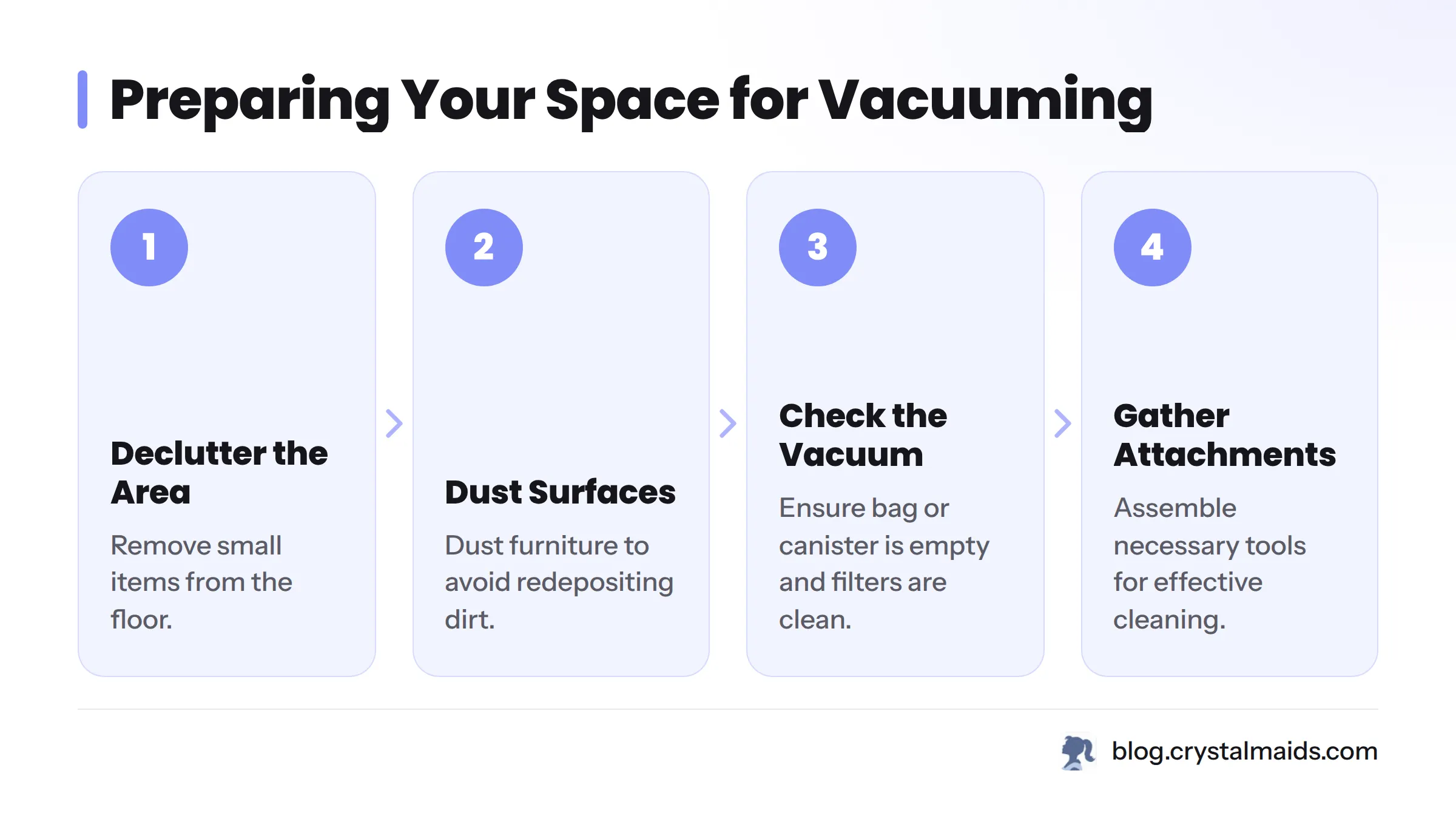
- Declutter the Area: Remove small items from the floor to ensure unobstructed cleaning and to prevent the vacuum from getting stuck.
- Dust Surfaces: Dust furniture and surfaces prior to vacuuming to avoid redepositing dirt on already cleaned floors.
- Check the Vacuum: Ensure that the vacuum's bag or canister is empty and the filters are clean. A HEPA filter enhances air quality by trapping dust and allergens.
- Gather Attachments: Assemble necessary attachments, such as the crevice tool for tight spaces and the upholstery brush for furniture.
Selecting the Right Vacuum for Your Needs
Choosing the right vacuum cleaner depends on your specific cleaning needs. Consider the following options:
- Upright Vacuums: Ideal for carpets, providing powerful suction.
- Canister Vacuums: More versatile, suitable for both carpets and hard floors.
- Robot Vacuums: Best for light maintenance between thorough cleanings, but they typically lack deep cleaning capabilities.
- Wet/Dry Vacuums: Effective for large messes, particularly in garages or workshops.
When making your selection, factor in your home’s flooring type and how often you vacuum. For homes with pets, a model designed to manage pet hair is essential. Discover the best vacuum for hardwood floors here.
Vacuuming Techniques for Different Surfaces
Tailor your vacuuming techniques to the surface:
Carpet
- Passes: Vacuum in straight lines, slightly overlapping each pass. Cover each area at least twice for thorough cleaning.
- Technique: Move slowly to allow the vacuum to capture more dirt. Adjust the beater bar height if necessary.
Hard Floors
- Switch Modes: Use the hard floor mode to avoid scratching the surface if your vacuum has this feature.
- Technique: Utilize attachments for corners and transitions to ensure all dirt is collected.
For visual guidance, check out this YouTube tutorial on vacuuming techniques.
Corners and Edges: How to Reach Every Area
Corners and edges often trap dust and dirt that standard vacuuming might overlook:
- Use Attachments: Employ the crevice tool to access tight spots, followed by the upholstery attachment for larger areas.
- Technique: Vacuum edges in a zig-zag pattern to ensure no debris is left behind.
Post-Vacuuming Steps: Maintenance and Cleaning
After vacuuming, follow these maintenance steps:
- Empty the Vacuum: Regularly empty the bag or canister to maintain suction power.
- Clean the Filters: Wash or replace filters periodically according to the manufacturer's instructions.
- Check the Brush Roll: Remove tangled hair and debris from the brush roll to ensure optimal performance.
For more detailed guidance on vacuum maintenance, refer to our comprehensive maintenance guide.
Best Practices for Effective Vacuuming
Mastering vacuuming involves understanding and effectively using your equipment. Key practices include:
- Frequency: Vacuum carpets at least twice a week; hard floors as needed. For cleaning schedules, check out our guideline here.
- Techniques: Employ a room-by-room method to ensure thorough cleaning and prevent missed spots.
Effective vacuuming not only maintains your home's appearance but also promotes a healthier living environment. By implementing these techniques, you can streamline your vacuuming process, making it less time-consuming and more productive.
Related: how often to vacuum each room